
Physiotherapy – Advantages and Side Effects
Physiotherapy is a healthcare treatment that helps improve movement, reduce pain, restore strength, and recover from injury, surgery, or medical conditions. It uses exercises, manual therapy, stretching, posture correction, and rehabilitation techniques.
Advantages of Physiotherapy
- Pain Relief
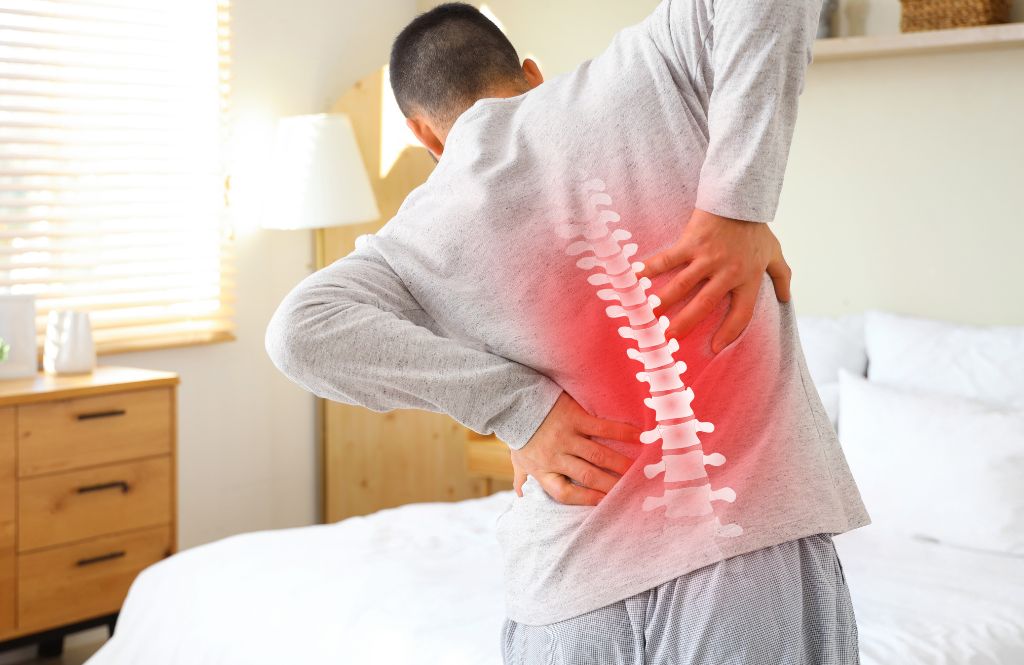
Helps reduce back pain, neck pain, joint pain, and muscle pain. - Improves Movement
Restores flexibility, mobility, and joint function. - Faster Recovery
Helps recovery after surgery, injury, fracture, or stroke. - Builds Strength
Strengthens muscles and improves balance. - Avoids Surgery in Some Cases
Can reduce the need for surgery for certain conditions. - Improves Posture
Corrects posture-related pain and body alignment. - Sports Injury Treatment
Helps athletes recover and prevent re-injury. - Better Quality of Life
Supports daily activities and independence.
Possible Side Effects / Risks in Physiotherapy
Usually mild and temporary, especially after starting treatment.
- Muscle Soreness
Mild pain or soreness after exercises or manual therapy. - Temporary Fatigue
Tiredness after sessions. - Mild Swelling
Sometimes after rehabilitation exercises. - Increased Pain Initially
Some stiffness or discomfort before improvement. - Dizziness
Rarely after certain balance or neck treatments. - Bruising
Can occur after deep tissue or manual techniques. - Overuse Strain
If exercises are done incorrectly or too aggressively.
Why Physiotherapy is Important
Physiotherapy helps people move better, heal safely, and return to work, sports, and daily life with less pain.
Common Conditions Treated
- Back Pain
- Neck Pain
- Knee Pain
- Arthritis
- Sports Injuries
- Stroke Recovery
- Fracture Rehabilitation
- Frozen Shoulder
- Post-Surgery Recovery
- Balance Problems